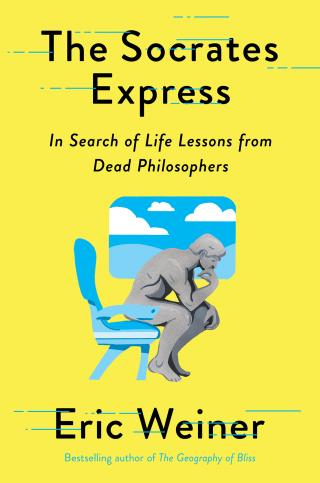
The Socrates Express
- Автор: Вейнер Эрик
- Год: 2020
- Язык: английский
- Год: Avid Reader Press / Simon & Schuster
- Жанр: География, путевые заметки

Электронная книга - «The Socrates Express». Краткое содержание книги:
We contemplate for the same reasons we travel: to see the world from a different perspective, to unearth hidden beauty and find new ways of being. We want to learn how to embrace wonder. Face regrets. Sustain hope.
Eric Weiner, *New York Times* bestselling author of *The Geography of Bliss* , combines his twin passions for philosophy and global travel in a pilgrimage that uncovers surprising life lessons from philosophers around the world, from Marcus Aurelius to Arthur Schopenhauer, Confucius to Montaigne. Traveling by train (the most thoughtful mode of transport) he traversed thousands of miles, making stops in Athens, Delhi,...
Epicurus on, 106
fear of, 33–34, 245, 271, 276, 279, 281
of friends, 272
good, 279, 280
as loss, 239–40
Montaigne on, 269–83
“practice” for, 278
of Socrates, 36–37, 63, 274
Stoicism on, 239–40
Death of Ivan Ilyich, The (Tolstoy), 33–34
decreation, 132
deep questioning, 31
Delphi, oracle at, 19
Democritus, 19, 102, 112
depression, 88
Descartes, René, 46, 52, 61, 123
desire, 236
and attention, 140
Epicurus’s taxonomy of, 108–10
freedom from, 229
necessary vs. unnecessary, 109
objects vs. subjects of, 140
suffering and, 87, 122
desirelessness, 155
despair, 79, 140, 167
details, attention to, 195–97, 199, 287
determinism, 236–37
dialectic, 21
Dialogues (Plato), 28–31, 36
Diderot, Denis, 45
digital technology, xv–xvi
dining:
rules of, 173
in train travel, 101–2
Diogenes, 17, 224
Dionysian way, 217
Dipylon (Double Gate), 103–4
discomfort, physical, 109
Discourse on Inequality (Rousseau), 44
disengagement, 266
disinterest, 90, 97
disputes, multiple perceptions in, 131
Domitian, Emperor of Rome, 229
Doppler effect, 77
doubt, 252, 261–62, 274
Durant, Will, xiv
Dutch messiah, 130–31
duty, obligation vs., 12
Eco, Umberto, 184
Einstein, Albert, 52
elenchus, 21
email, 96, 193
emergencies, 179–80
Emerson, Ralph Waldo, 57, 66, 211
Emile (Rousseau), 43
emotions, 212
corporeal seat of, 46–47
negative, 226
rational thought and, 230–31
empathy, 175, 177–78, 181
Empiricists, 61, 105
Enchiridion (Handbook; Epictetus), 227, 230, 235, 237, 241
enjoyment, pursuit of, 101–17
enlightened kibitzing, 21, 31
enlightenment, 148
environmentalism, 53
Epictetus, xvii, 111–12, 221–42
death and legacy of, 300
slavery of, 227, 229, 300
Socrates’s influence on, 229
Epicureanism, 10, 101–17, 225–26, 238
epicureanism (culinary indulgence), 112
Epicurus, xvii, 93, 166, 188, 223, 233, 260, 286
on death, 271
death of, 111
enjoyment and, 101–17
garden of, 103–5, 111, 112
misinterpretation of, 105
essays, development of, 274–76
Essays (Montaigne), 272
essential suffering, 217
eternal damnation, 214
Eternal Recurrence of the Same, 207–8, 209, 213–19, 235
eternity, 218
ethics, 6–7, 106
Euclid’s Line, 161, 297
eudaimonia (happiness), 35, 106, 286
Evelyn, John, 103
evil, 82
evolution, human, 48–49
examined life, 35–36, 63
Existentialism, 223, 243–67
extreme attention, 122
extroverts, 273
facticity, 250
failure, embracing, 219
false beliefs, 31–32
fame, 134
family, in Confucianism, 174–75
fatalism, 236
fate, 242
acceptance of, 218, 265
in Stoicism, 235–36
fatherhood:
attempts to define, 25–27
critical, 85
Stoicism in, 240–41
Faustina, 8
fear, 114, 226
of aging, 245, 258
of death, 33–34, 245, 271, 279, 281
objects of, 106
feminism, 261
fighting, Gandhi’s approach to, 143–68
filial devotion, 174–75
filter model (bottleneck model), 123–24
Fischer, Louis, 152
flow, 122–23, 138, 212
flute, of Schopenhauer, 86–87
flutterings, 274
flux, 48, 49
foamers (train enthusiasts), xiv–xv
focus, paying attention vs., 133
forced victory, 163
forgetfulness, 9, 139, 259
Foucault, Michel, 71
Founding Fathers, 224, 238
Four Noble Truths, 112
Four-Part Cure, 294
France:
author and Sonya’s trip to, 247–52, 254–56, 275, 283
Nazi occupation of, 134–35
Franciscans, 164
freedom:
condemned to, 250
forfeiting of, 257
walking and, 40, 45
Free French movement, 134–38
French Enlightenment, 103
Freud, Sigmund, 85
friendship, 116, 260
Frith, William, 127–28
fugitive moments, 287
Full Gandhi maneuver, 160–61
Galen, 9
Gandhi, Mohandas K., xviii, 188, 276, 277, 282, 297
appearance and personal style of, 148, 152
author’s fascination with, 143, 148, 150–51, 153, 166, 168
death of, 148, 150, 165–66, 168, 297
eleven vows of, 166
father of, 162–63
India’s future envisioned by, 145, 167
influences on, 157, 228
pivotal moment for, 146–47
resistance of, 143–68
shortcomings of, 153–54, 162–63, 166
Gandhi, Rajmohan, 153, 157
gardens, 103–5, 110–12, 198
Gay Science, The (The Joyful Wisdom) (Nietzsche), 211
geeks, 198–99
generosity, 35–36
Genghis Khan, 178
genius, 250
German philosophy, 89, 93
germophobes, 124
glancing, 72, 75
goals, internal vs. external, 230
God:
Nietzsche on, 207, 209
philosophical questions about, 18–19
gods, 106, 114
Golden Rule, 173
good death, 279, 280
good enough, 233–34, 287
good questions, 33
Gorgias, 21, 246
Gorgias (Plato), 30
Gould, Stephen Jay, 178
gratitude, 80, 110–11, 116, 217
Great Asymmetry, 178
Great Bed Question, 6–7, 10–13
Great Harmony, 175
Great Summing Up, 259
grief, 239–40, 272
Groundhog Day (film), 204–5, 207–8, 209, 215, 219–20
guilt, 259
habit, value of, 263–64
Hadot, Pierre, 10
Hadrian, 8, 229
Handbook (Epictetus), 227, 230, 235, 237, 241
handwriting, attention to, 129–30
happiness, 35–36, 84, 90, 105, 242
attention and, 138
friendship and, 260
personal responsibility for, 238
Rousseau’s achievement of, 52
hatred, 262
Hawthorne, Nathaniel, 59
Hays, Gregory, 10
hearing, 66, 74
Heart of Philosophy, The (Needleman), 16
hedonic treadmill, 116
Hegel, Friedrich, 91
Heian period, 192–93, 197
Heidegger, Martin, 93
Hemingway, Ernest, 141, 211, 296
Heraclitus, 10, 48, 102
heroin addiction, 140
Heschel, Abraham, 53
Hesse, Hermann, 194
Hinduism, 58, 92, 154
Historical and Descriptive Account of British India, The, 58
Hitler, Adolf, 132, 160, 178, 218
Hobbes, Thomas, 46, 177
Holocaust, 160
Homer, 66
hope, 258
Horace, 281
“how” questions, 20
“how to” questions, xvii, xviii, 60
Hugo, Victor, 39
human nature, 177, 180
cruelty and kindness in, 178
social habit vs., 44–45
Hume, David, 6–7
humility, 165
Hussein, Saddam, 233–34
I Ching (Book of Changes), 171
Idealists, Idealism, 81–82
idleness, 264, 280
ignorance, 19, 26, 30, 32, 229
illness, as preparation for death, 280
illumination, questioning for, 30–31, 34
illusion, 77–78, 80
imagination, 52, 175
“Imagine” (Lennon song), 175–76
immortality, 281
impatience, 120, 129–31, 221–22
imperfection, fondness for, 191
Imperial Palace (Kyoto), 187, 191
impermanence, 190, 198, 239, 242, 286
inattentional blindness, 295
inconsistency, 276
India, xvii, 112, 143, 185
British Empire in, 152, 154, 158–59
cultural navigation in, 143–45, 148, 149, 155–56, 164, 168